


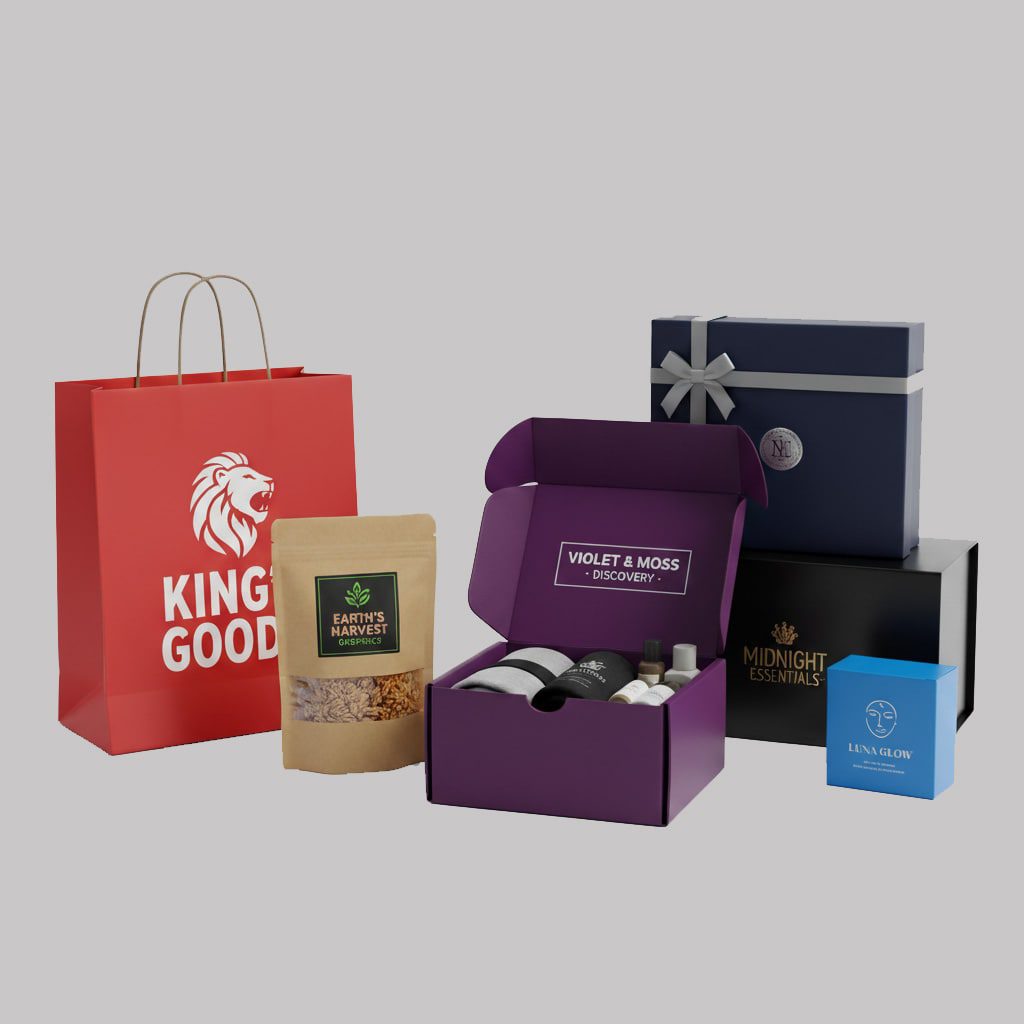
Selecting the perfect box size and material is more than just packaging logistics; it’s a critical part of your brand’s presentation, cost management, and product protection. In New York’s competitive market, well-chosen packaging can help your brand stand out and leave a lasting impression.
This guide shows you how to pick the right box dimensions, materials, and finishes with tips specialized for brands using Custom Packaging Solutions in New York.
Why Box Size & Material Matter
Choosing a mismatched box can lead to:
- Product damage from shifting and impact
- Excessive shipping costs (due to dimensional weight)
- Waste of material and extra volume
- A poor unboxing experience that undermines brand perception
On the flip side, smart packaging selection helps ensure safety, reduce cost, and enhance the customer’s first impression. In New York, presentation often matters as much as the product inside, especially for brands using Custom Product Boxes New York to differentiate themselves.
Step 1: Measure Your Product + Padding Needs
- Measure the length × width × height of the product at its largest points.
- Add clearance for protective material (foam, bubble wrap, inserts). Aim for something like +0.25″ to +1″, depending on fragility.
- If you’ll include promotional inserts or cushioning, factor in their thickness too.
💡 Tip: Don’t overdo space. Even with cushioning, too much room lets items shift and get damaged.
Step 2: Match Material to Product & Shipping Conditions
Here’s a quick comparison of common box materials:
| Material Type | Best For | Pros | Trade-Offs |
|---|---|---|---|
| Corrugated (single/double wall) | Shipping, heavier products | Strong, shock-resistant | More bulk, cost |
| Rigid (Chipboard, bookboard) | Luxury items, electronics, gift boxes | Premium feel, sturdy | Higher cost, heavier |
| Folding Carton (paperboard) | Light items, cosmetics, retail display | Lightweight, excellent print finish | Less protective for heavy products |
| Kraft / Recycled Paper | Eco-brands, natural goods | Sustainable, rustic look | May require extra reinforcement |
When protecting your product, consider not just weight but fragility, stacking load, and transportation.
Step 3: Understand Finishes, Design & Branding
Finishes and printing techniques can elevate a simple box into a brand asset. Here are options to consider:
- Matte or gloss lamination
- Spot UV varnish
- Foil stamping
- Embossing/debossing
- Soft-touch coatings
- Window cutouts
To explore the full scope of finishing options, check out this resource: Top 7 Printing & Finishing Options for Custom Boxes. It’s especially helpful when designing premium packaging.
Your finish choice affects not only aesthetics but also durability (e.g., resisting scuffs, moisture).
Step 4: Factor in Shipping Efficiency & Cost
In New York’s dense markets (Manhattan, Brooklyn, Queens, etc.), compact, lightweight packaging often wins. Keep these in mind:
- Dimensional weight pricing is common in courier services, so oversized boxes can cost you more.
- Use flat-pack / foldable designs to save warehouse and shipping volume.
- Use custom inserts instead of bulky loose fillers.
- Always ask for sample runs before large orders, to test how packaging behaves under real shipping conditions.
Step 5: Sustainability & Eco-Friendly Choices
Consumers, especially in urban areas like NYC, increasingly expect environmentally conscious packaging. Consider:
- Post-consumer recycled (PCR) materials
- Biodegradable/compostable papers
- Soy- or water-based inks
- Minimal decorative coatings that resist recycling
When you pair sustainable materials with a strong design logic, you send a message that your brand cares.
Step 6: Real-World Testing & Iteration
Before committing to a large production run:
- Order prototypes or samples
- Test for drop resistance, stacking, and humidity
- Check that the visual and finish quality match the digital proofs
- Use feedback from actual packaging/unboxing for improvements
Iterating early avoids costly mistakes in mass production.
How Custom Packaging Helps NYC Brands Stand Out
In a city where presentation is everything, brands should do more than protect their product; they must communicate. Smartly designed packaging can:
- Reinforce brand identity at first glance
- Surprise and delight with unique opening mechanisms
- Boost word-of-mouth (Instagram, TikTok unboxings)
- Convey values like quality and sustainability
If you want to dive deeper into how excellent packaging can make NYC brands differentiate themselves, explore How Custom Packaging Helps NYC Brands Stand Out.
Bringing It All Together: Packaging Design in New York Context
Your packaging choices should align with:
- Product characteristics (size, weight, fragility)
- Logistics limitations (courier restrictions, dimensional weight)
- Brand goals and positioning (luxury, eco, minimal, bold)
- Local expectations in the NYC / New York market
When all these align, your packaging isn’t just functional; it becomes a brand messenger.
Final Thoughts & Next Steps
If you’re ready to turn your concept into execution:
- Gather product specs, branding files, and target volumes.
- Consult with your packaging partner (like Alpha Packages) for mockups or proofs.
- Order sample runs.
- Run shipping tests.
- Finalize and order production.
And if you’re seeking cost-saving tips specifically for smaller volumes, make sure to check How Small Businesses Can Save on Custom Packaging which offers valuable strategies for managing budgets.